

Friday, May 8, 2026
  • English
  • Marathi
No Result
View All Result
Daily PRABHAT
  • Home
  • Latest News
  • National
  • International
  • Entertainment
  • Politics
  • Sports
  • Business
  • More
    • Health
    • Lifestyle
    • Technology
    • Science
Daily PRABHAT
No Result
View All Result
  • Home
  • Latest News
  • National
  • International
  • Entertainment
  • Politics
  • Sports
  • Business
  • More
Home National

India has enough edible oil stock: Govt

by
4 years ago
in National
A A
India has enough edible oil stock: Govt
Share on FacebookShare on Twitter

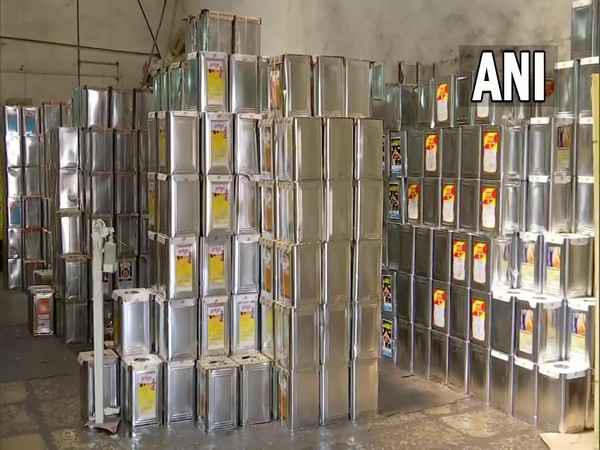
New Delhi [India], May 1 (ANI): Amid the ban on the export of palm oil by Indonesia, the government has assured that the country has enough stock of edible oils.

The Ministry of Consumer Affairs has said that the present stock of all edible oils in the country is around 21 LMT (lakh metric tonne) while another 12 LMT is in transit, arriving in May 2022 in the country.

On the oilseeds front, the Department of Agriculture and Farmers Welfare’s second advance estimate released in February 2022 shows a positive picture of soyabean production for the year 20221-22 at 126.10 LMT, which is higher than last year’s production of 112 LMT, the ministry said.

As a result of the higher sowing of Mustard seeds by 37 per cent in all major producing states including Rajasthan in comparison with last year, the production may rise to 114 LMT in the 2021-22 season.

The Department of Food and Public Distribution is monitoring the price and availability situation and meetings are held regularly with major edible oil processing associations to discuss a further reduction in the domestic edible oil prices to give relief to consumers.

According to the ministry, palm oil constitutes roughly around 62 per cent of the total edible oils imported and are imported mainly from Indonesia and Malaysia, while Soyabean oil (22 per cent) is imported from Argentina and Brazil and Sunflower oil (15 per cent) is imported mainly from Ukraine and Russia.

Currently, international prices of edible oils are under pressure due to a shortfall in global production and an increase in export tax or levies by the exporting countries.

India is one of the largest producers of oilseeds in the world and this sector occupies an important position in the agricultural economy, accounting for the estimated production of 37.14 million tons of nine cultivated oilseeds during the year 2021-22, as per the second advance estimates released by the Department of Agriculture and Farmers Welfare.

A close watch is being kept on day to day basis on the prices of edible oils so that appropriate measures can be taken to keep a check on the prices of edible oil for ensuring that the prices remain stable and the interests of consumers are protected.

Special teams have also been constituted by both Central and State Governments to prevent hoarding and profiteering under the Essential Commodities Act. (ANI)

ShareTweetSendShareSend

Latest News

Delhi: 3-year-old girl sexually assaulted in school in Janakpuri

“Corruption will not be tolerated… we have to work honestly, ensure good health care”: Bihar Minister Nishant Kumar

From village to global: India’s biotech revolution

Karnataka to move Supreme Court seeking restoration of MGNREGA, challenges VB-G RAM-G Act

Union Health Ministry activates precautionary surveillance measures even as Hantavirus cases pose low global risk to public health

IndiGo flight from Kolkata to Patna diverted to Lucknow due to bad weather

MK Stalin urges Tamil Nadu Governor to expedite formation of new government without delay

“BJP’s govt from Gangotri to Gangasagar”: Union Minister Amit Shah hails massive mandate in West Bengal

Amit Shah to chair high-level meeting in Delhi on flood, heatwave preparedness on Sunday

Sustainability, inclusion, culture, economic growth, compassion to guide Delhi’s future development: LG TS Sandhu

New Delhi [India], May 1 (ANI): Amid the ban on the export of palm oil by Indonesia, the government has assured that the country has enough stock of edible oils.

The Ministry of Consumer Affairs has said that the present stock of all edible oils in the country is around 21 LMT (lakh metric tonne) while another 12 LMT is in transit, arriving in May 2022 in the country.

On the oilseeds front, the Department of Agriculture and Farmers Welfare's second advance estimate released in February 2022 shows a positive picture of soyabean production for the year 20221-22 at 126.10 LMT, which is higher than last year's production of 112 LMT, the ministry said.

As a result of the higher sowing of Mustard seeds by 37 per cent in all major producing states including Rajasthan in comparison with last year, the production may rise to 114 LMT in the 2021-22 season.

The Department of Food and Public Distribution is monitoring the price and availability situation and meetings are held regularly with major edible oil processing associations to discuss a further reduction in the domestic edible oil prices to give relief to consumers.

According to the ministry, palm oil constitutes roughly around 62 per cent of the total edible oils imported and are imported mainly from Indonesia and Malaysia, while Soyabean oil (22 per cent) is imported from Argentina and Brazil and Sunflower oil (15 per cent) is imported mainly from Ukraine and Russia.

Currently, international prices of edible oils are under pressure due to a shortfall in global production and an increase in export tax or levies by the exporting countries.

India is one of the largest producers of oilseeds in the world and this sector occupies an important position in the agricultural economy, accounting for the estimated production of 37.14 million tons of nine cultivated oilseeds during the year 2021-22, as per the second advance estimates released by the Department of Agriculture and Farmers Welfare.

A close watch is being kept on day to day basis on the prices of edible oils so that appropriate measures can be taken to keep a check on the prices of edible oil for ensuring that the prices remain stable and the interests of consumers are protected.

Special teams have also been constituted by both Central and State Governments to prevent hoarding and profiteering under the Essential Commodities Act. (ANI)

No Result
View All Result
  • Home
  • Latest News
  • National
  • International
  • Entertainment
  • Politics
  • Sports
  • Business
  • More
    • Health
    • Lifestyle
    • Technology
    • Science