

Thursday, December 11, 2025
  • English
  • Marathi
No Result
View All Result
Daily PRABHAT
  • Home
  • Latest News
  • National
  • International
  • Entertainment
  • Politics
  • Sports
  • Business
  • More
    • Health
    • Lifestyle
    • Technology
    • Science
Daily PRABHAT
No Result
View All Result
  • Home
  • Latest News
  • National
  • International
  • Entertainment
  • Politics
  • Sports
  • Business
  • More
Home International

Mistrust between Pakistan, Afghanistan prevents development-oriented collaboration

by
4 years ago
in International
A A
Mistrust between Pakistan, Afghanistan prevents development-oriented collaboration
Share on FacebookShare on Twitter

Kabul [Afganistan], April 28 (ANI): Pakistan and Afghanistan are facing the same issues like water management problems, and shortage of food and electricity but their mistrust of each other has become an obstacle in the path of their development, according to analysts.

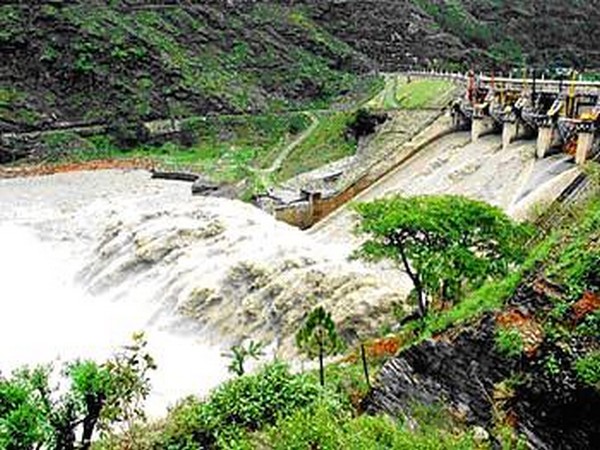
Both the countries have the Kabul River, which can solve their water and electricity issues. Even numerous feasibility studies also have been conducted over the years in Afghanistan which indicated the possibility of dams over the Kabul River could create a large amount of hydroelectricity, ameliorating the severe and perennial power shortages in Afghanistan and Pakistan but still, both the countries don’t adopt these developmental strategies and the main reason is the mistrust between each other, International Forum for Rights and Security (IFFRAS), an international think-tank reported.

The Pakistani media has also repeatedly projected drastic decreases in the flows that Pakistan, as the lower riparian state, would receive from the Kabul River, as a result of various projects that have been proposed. Pakistan scribes have routinely indulged in scaremongering over various World Bank-funded projects envisaged on the Kabul River, even though the World Bank has not allowed anyone to harm the interest of a co-riparian State. This is the reason that not much headway has been made in the discussion regarding the Kabul River, as reported by the think tanker.

It would have been great if both the countries could have cooperated with each other and could jointly exploit their shared resources but it seems that both countries are not ready to agree with each other.

Another point of issue between the two countries is the unresolved status of the Durand Line, the colonial-era demarcation of the land border between Afghanistan and Pakistan. Taliban led Afghanistan government and even the preceding Islamic Republic of Afghanistan had refused to acknowledge the validity of this ‘border’.

While, Pakistan on another hand, is adamant about enforcing this ‘border’, has nearly completed a fence along its entirety and claims that it has become important to prevent the illegal immigration and the flows of drugs and terrorism. In particular, Pakistan has claimed that Afghanistan has been harbouring militias, which target Pakistani security forces, and that the fence seeks to curb their movement. Relations between Islamabad and Kabul have soured considerably over this issue, with the former remaining suspicious of Pashtun support for the Tehreek-e-Taliban Pakistan (TTP), which has well-knit ethnic, ideological and organizational ties on both sides of the Durand Line.

Pakistan recently carried out the airstrikes in Eastern Afghanistan which has killed several civilians including women and children. These strikes were considered a violation of the UN Charter and customary international law regarding the use of force by States. Pakistan’s naked aggression has generated much anger in Afghanistan, with massive anti-Pakistan demonstrations taking place in the Khost Province. Subsequently, Pakistan’s Foreign Ministry sought to justify the carnage by claiming that Pakistani security personnel were being targeted by terrorists operating with ‘impunity’ from Afghanistan, according to IFFRAS.

The ironic fact is that the Pakistan, which considers the Durand Line to be an international border, has knowingly violated international law and still country claimed that it was acting within its sovereign territory, which would imply that Afghanistan’s traditional rejection of the legitimacy of the Durand Line constitutes well-documented ‘State Practice’ to establish an enforceable claim under international law.

These all are the reasons that are the reason that Pakistan and Afghanistan didn’t have peaceful and development-oriented collaboration. In this case, the international community can only hope that mistrust, suspicion and military belligerence can be put aside in the interests of regional peace and stability, in a time of dire need for both countries, as reported by think tanker.

ShareTweetSendShareSend

Latest News

“Damaging India, Hurting America”: US Representative Pramila Jayapal sounds alarm on tariff impact

US engagement with Pakistan’s military leadership is a challenge: Dhruva Jaishankar flags key challenge in India-US ties

Maharashtra: Massive fire at factory in MIDC brought under control in Jalgaon, no casualties reported

US Representative Bill Huizenga terms India ties “a defining relationship of the 21st century”

“India is one of the fastest-growing major economies”: US Representative Bill Huizenga

Inclusion of Deepavali in UNESCO’s intangible cultural heritage list is matter of pride: UP CM Yogi

Delhi Police bust illegal unit making fake Castrol products in Alipur

Trump says he delivered “pretty strong words” on Ukraine in call with European leaders

Trump questions Ukraine’s election timeline, tells Zelenskyy to be “realistic”

Election Commission extends final publication of revised electoral rolls in West Bengal

Kabul [Afganistan], April 28 (ANI): Pakistan and Afghanistan are facing the same issues like water management problems, and shortage of food and electricity but their mistrust of each other has become an obstacle in the path of their development, according to analysts.

Both the countries have the Kabul River, which can solve their water and electricity issues. Even numerous feasibility studies also have been conducted over the years in Afghanistan which indicated the possibility of dams over the Kabul River could create a large amount of hydroelectricity, ameliorating the severe and perennial power shortages in Afghanistan and Pakistan but still, both the countries don't adopt these developmental strategies and the main reason is the mistrust between each other, International Forum for Rights and Security (IFFRAS), an international think-tank reported.

The Pakistani media has also repeatedly projected drastic decreases in the flows that Pakistan, as the lower riparian state, would receive from the Kabul River, as a result of various projects that have been proposed. Pakistan scribes have routinely indulged in scaremongering over various World Bank-funded projects envisaged on the Kabul River, even though the World Bank has not allowed anyone to harm the interest of a co-riparian State. This is the reason that not much headway has been made in the discussion regarding the Kabul River, as reported by the think tanker.

It would have been great if both the countries could have cooperated with each other and could jointly exploit their shared resources but it seems that both countries are not ready to agree with each other.

Another point of issue between the two countries is the unresolved status of the Durand Line, the colonial-era demarcation of the land border between Afghanistan and Pakistan. Taliban led Afghanistan government and even the preceding Islamic Republic of Afghanistan had refused to acknowledge the validity of this 'border'.

While, Pakistan on another hand, is adamant about enforcing this 'border', has nearly completed a fence along its entirety and claims that it has become important to prevent the illegal immigration and the flows of drugs and terrorism. In particular, Pakistan has claimed that Afghanistan has been harbouring militias, which target Pakistani security forces, and that the fence seeks to curb their movement. Relations between Islamabad and Kabul have soured considerably over this issue, with the former remaining suspicious of Pashtun support for the Tehreek-e-Taliban Pakistan (TTP), which has well-knit ethnic, ideological and organizational ties on both sides of the Durand Line.

Pakistan recently carried out the airstrikes in Eastern Afghanistan which has killed several civilians including women and children. These strikes were considered a violation of the UN Charter and customary international law regarding the use of force by States. Pakistan's naked aggression has generated much anger in Afghanistan, with massive anti-Pakistan demonstrations taking place in the Khost Province. Subsequently, Pakistan's Foreign Ministry sought to justify the carnage by claiming that Pakistani security personnel were being targeted by terrorists operating with 'impunity' from Afghanistan, according to IFFRAS.

The ironic fact is that the Pakistan, which considers the Durand Line to be an international border, has knowingly violated international law and still country claimed that it was acting within its sovereign territory, which would imply that Afghanistan's traditional rejection of the legitimacy of the Durand Line constitutes well-documented 'State Practice' to establish an enforceable claim under international law.

These all are the reasons that are the reason that Pakistan and Afghanistan didn't have peaceful and development-oriented collaboration. In this case, the international community can only hope that mistrust, suspicion and military belligerence can be put aside in the interests of regional peace and stability, in a time of dire need for both countries, as reported by think tanker.

No Result
View All Result
  • Home
  • Latest News
  • National
  • International
  • Entertainment
  • Politics
  • Sports
  • Business
  • More
    • Health
    • Lifestyle
    • Technology
    • Science