Sunday, October 11, 2026
  • English
  • Marathi
No Result
View All Result
Daily PRABHAT
  • Home
  • Latest News
  • National
  • International
  • Entertainment
  • Politics
  • Sports
  • Business
  • More
    • Health
    • Lifestyle
    • Technology
    • Science
Daily PRABHAT
No Result
View All Result
  • Home
  • Latest News
  • National
  • International
  • Entertainment
  • Politics
  • Sports
  • Business
  • More
Home Politics

MISA provocation boomerangs on DMK A Raja, fiery response draws fresh backlash

by Digital Desk
4 weeks ago
in Politics
A A
MISA provocation boomerangs on DMK A Raja, fiery response draws fresh backlash
Share on FacebookShare on Twitter

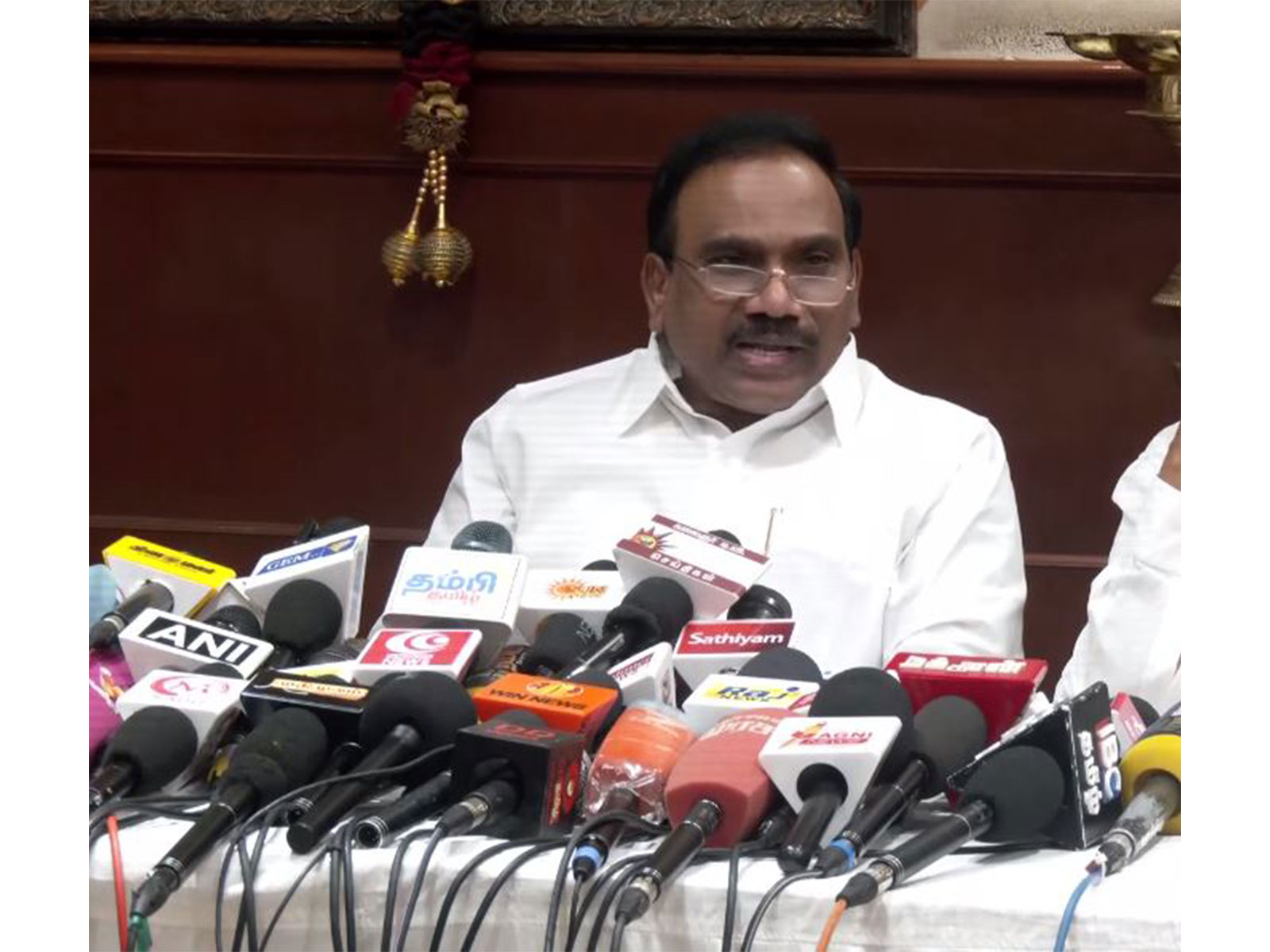
DMK leader A Raja (Photo/ANI)

Chennai (Tamil Nadu) [India], September 13 (ANI): A political provocation over MK Stalin’s MISA imprisonment appears to have boomeranged, leaving one of the DMK’s most seasoned leaders, A Raja, facing criticism over the very language used in his counterattack. What was intended to defend Stalin and hit back at TVK appears to have shifted the spotlight from the original allegations to Raja’s own remarks.

The controversy erupted after Tamil Nadu Law Minister CTR Nirmal Kumar questioned the DMK’s claim that Stalin was arrested under MISA. He argued that there was no detention order establishing such an arrest and made further controversial claims about the circumstances of Stalin’s detention. These were political assertions by Nirmal Kumar and should not be treated as facts.

The issue became more sensitive after Chief Minister C Joseph Vijay made a gesture towards his jaw in the Assembly while referring to the MISA period. DMK leaders interpreted it as a reference to the alleged jaw fracture suffered by Stalin during his imprisonment. Vijay later said the gesture was inadvertent.

With the MISA issue already emotionally charged, Nirmal Kumar’s remarks became what appeared to be a potent political provocation. Raja responded at a DMK protest in Chennai on September 12, but instead of limiting his rebuttal to the historical argument, he made a personal remark questioning Nirmal Kumar’s parentage.

Raja also launched a fierce attack on Vijay, saying the actor was not a “great actor” but a “great scoundrel”.

That response dramatically changed the narrative.

The political debate over whether Stalin was arrested under MISA and what happened to him in prison was quickly overshadowed by questions over Raja’s choice of words. The apparent rage bait had worked in one sense: it had drawn an angry reaction. But the reaction itself became the headline.

The episode is particularly significant because Raja is no political newcomer. A senior DMK leader, former Union minister and veteran parliamentarian, he has spent decades at the centre of Tamil Nadu and national politics. His stature means that his words are judged differently from those of an ordinary party worker.

The backlash has also come with an uncomfortable internal dimension for the DMK. DMK MP Kanimozhi, while speaking about the controversy, invoked the Thirukkural and the importance of controlling one’s tongue, adding weight to calls for restraint even within the party’s wider camp.

Raja subsequently expressed regret and withdrew his controversial remark concerning Nirmal Kumar, further intensifying the impression that the response had crossed a political line.

The episode has consequently produced an unusual reversal. TVK and its supporters sought to portray the DMK as unable to answer provocative questions on the MISA issue without becoming personal. The DMK, meanwhile, has sought to keep the focus on Stalin’s imprisonment and the alleged suffering he endured.

But the political optics have moved elsewhere.

For Raja, the episode demonstrates the risk of responding emotionally to deliberate provocation. A carefully framed counterargument could have kept the spotlight on the historical claims surrounding Stalin’s MISA imprisonment. Instead, the personal nature of the response allowed the controversy to move onto terrain more favourable to his opponents.

The irony is stark: the rage bait was aimed at the DMK, but the person who appears to have paid the immediate political price was one of its most experienced voices.

In a Tamil Nadu political battle increasingly shaped by sharp rhetoric, viral clips and instant reactions, Raja’s experience offers a simple lesson: sometimes the most effective political provocation is the one that makes the opponent lose control of the response. (ANI)

ShareTweetSendShareSend

Latest News

Karnataka: Three killed, over 10 injured as truck rams into Durgamata Daud Devi procession

Amit Shah extends greetings on Navratri, wishes happiness and prosperity

“Smash the patriarchy only a political gimmick?”: BJP’s Bansuri Swaraj slams Congress’ silence over charges on JNU professor

Tamil Nadu: PM Modi inaugurates Chennai Metro Phase II stretch built at Rs 4,900 crore

Gujarat: Barda forests emerge as new ‘second home’ for Asiatic lions; study finds habitat suitable for long-term population

Rajasthan CM Bhajanlal Sharma offers prayers at Maa Raj Rajeshwari Temple on first day of Sharadiya Navratri

“His fearless voice during Emergency was noteworthy”: PM Modi pays tribute to Jayaprakash Narayan on birth anniversary

Delhi Police detains protesters at CP amid heightened security

“Removing CEC is matter for Parliament, not streets”: Shiv Sena spokesperson Shaina NC

Hyderabad: 8 apprehended as police crack POCSO, human trafficking case

DMK leader A Raja (Photo/ANI)

Chennai (Tamil Nadu) [India], September 13 (ANI): A political provocation over MK Stalin’s MISA imprisonment appears to have boomeranged, leaving one of the DMK’s most seasoned leaders, A Raja, facing criticism over the very language used in his counterattack. What was intended to defend Stalin and hit back at TVK appears to have shifted the spotlight from the original allegations to Raja’s own remarks.

The controversy erupted after Tamil Nadu Law Minister CTR Nirmal Kumar questioned the DMK’s claim that Stalin was arrested under MISA. He argued that there was no detention order establishing such an arrest and made further controversial claims about the circumstances of Stalin’s detention. These were political assertions by Nirmal Kumar and should not be treated as facts.

The issue became more sensitive after Chief Minister C Joseph Vijay made a gesture towards his jaw in the Assembly while referring to the MISA period. DMK leaders interpreted it as a reference to the alleged jaw fracture suffered by Stalin during his imprisonment. Vijay later said the gesture was inadvertent.

With the MISA issue already emotionally charged, Nirmal Kumar’s remarks became what appeared to be a potent political provocation. Raja responded at a DMK protest in Chennai on September 12, but instead of limiting his rebuttal to the historical argument, he made a personal remark questioning Nirmal Kumar’s parentage.

Raja also launched a fierce attack on Vijay, saying the actor was not a “great actor” but a “great scoundrel”.

That response dramatically changed the narrative.

The political debate over whether Stalin was arrested under MISA and what happened to him in prison was quickly overshadowed by questions over Raja’s choice of words. The apparent rage bait had worked in one sense: it had drawn an angry reaction. But the reaction itself became the headline.

The episode is particularly significant because Raja is no political newcomer. A senior DMK leader, former Union minister and veteran parliamentarian, he has spent decades at the centre of Tamil Nadu and national politics. His stature means that his words are judged differently from those of an ordinary party worker.

The backlash has also come with an uncomfortable internal dimension for the DMK. DMK MP Kanimozhi, while speaking about the controversy, invoked the Thirukkural and the importance of controlling one’s tongue, adding weight to calls for restraint even within the party’s wider camp.

Raja subsequently expressed regret and withdrew his controversial remark concerning Nirmal Kumar, further intensifying the impression that the response had crossed a political line.

The episode has consequently produced an unusual reversal. TVK and its supporters sought to portray the DMK as unable to answer provocative questions on the MISA issue without becoming personal. The DMK, meanwhile, has sought to keep the focus on Stalin’s imprisonment and the alleged suffering he endured.

But the political optics have moved elsewhere.

For Raja, the episode demonstrates the risk of responding emotionally to deliberate provocation. A carefully framed counterargument could have kept the spotlight on the historical claims surrounding Stalin’s MISA imprisonment. Instead, the personal nature of the response allowed the controversy to move onto terrain more favourable to his opponents.

The irony is stark: the rage bait was aimed at the DMK, but the person who appears to have paid the immediate political price was one of its most experienced voices.

In a Tamil Nadu political battle increasingly shaped by sharp rhetoric, viral clips and instant reactions, Raja’s experience offers a simple lesson: sometimes the most effective political provocation is the one that makes the opponent lose control of the response. (ANI)

No Result
View All Result
  • Home
  • Latest News
  • National
  • International
  • Entertainment
  • Politics
  • Sports
  • Business
  • More
    • Health
    • Lifestyle
    • Technology
    • Science